Digital publishers continue to see browsers, operating systems, and device platforms exert control over how data is transmitted. That leaves media owners with a practical question: where does your identity resolution actually run, and how many of your channels does it reach?
Distributors Make the Rules
Every channel has a distribution layer, and whoever controls it determines how identity can be determined and communicated. On the web, that’s the browser. In mobile, it’s the operating system and the app store. In CTV, it’s the device maker and the platform between your app and the viewer’s screen.
This dynamic is older than digital advertising. TV networks have always depended on cable carriers to reach viewers, and apps require app stores to reach mobile users. Distributors control access to their audiences, so they set the terms, from carriage fees to tracking policies. When those terms change, every media owner on the platform has to adapt.
Resolve Identity on Infrastructure You Own
Instead of adapting every time the terms change, media owners can move identity resolution into infrastructure they control. In practice, that changes three things.
Where Identity Is Resolved
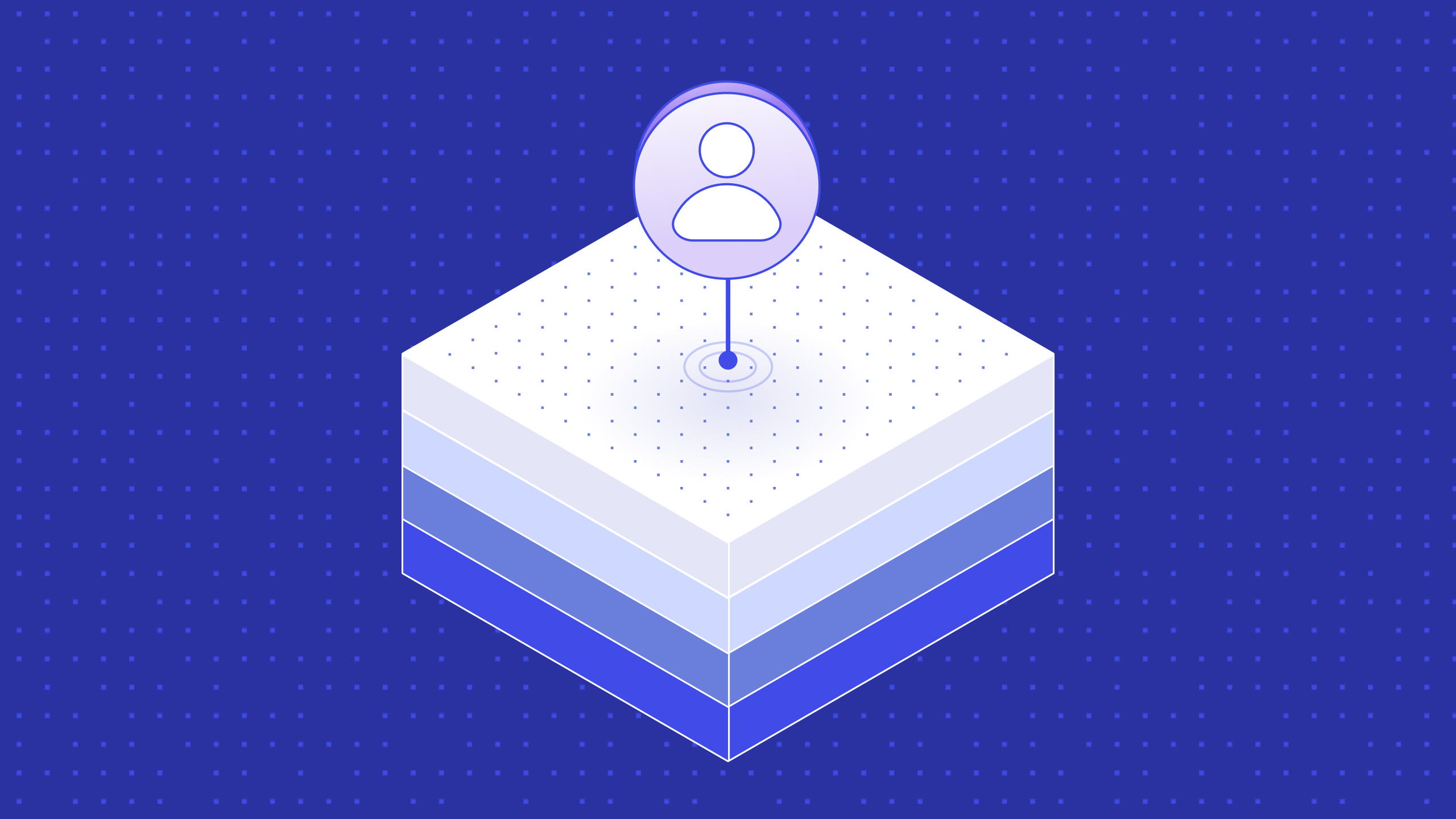
Media owners already control the delivery layer: the servers and content delivery networks (CDNs) that deliver their pages, apps, and streams to users. Moving resolution into that layer means identity is resolved before the content is delivered, so the ID is ready for every ad request.
Who Owns the Graph
Resolving identity in your own infrastructure means the graph is uniquely yours, built from your own audience relationships. Outside ID resolvers can still connect, but through one server-side integration instead of a separate script or SDK for each. Their IDs come back in a single call before the auction, and you decide which providers get what.
How Identity Is Integrated
Today, identity mostly runs on the user’s device. That often means a separate integration for every channel and every ID provider. Each one is built, tested, and updated on its own, and each one works only as long as its distributor allows it. On the web, publishers have watched this play out repeatedly, from Chrome’s long-running debate over third-party cookies to Apple’s 2026 decision to block a set of third-party identity providers in its browser.
Resolving identity on your own infrastructure replaces separate integrations with a single integration point. Adding an ID provider becomes a server-side change, not a new release for every app and page.
Getting there takes a closer partnership with Optable. For media owners planning their identity strategy years out, that upfront work pays off every time a distributor changes the rules.
One Solution for Every Channel
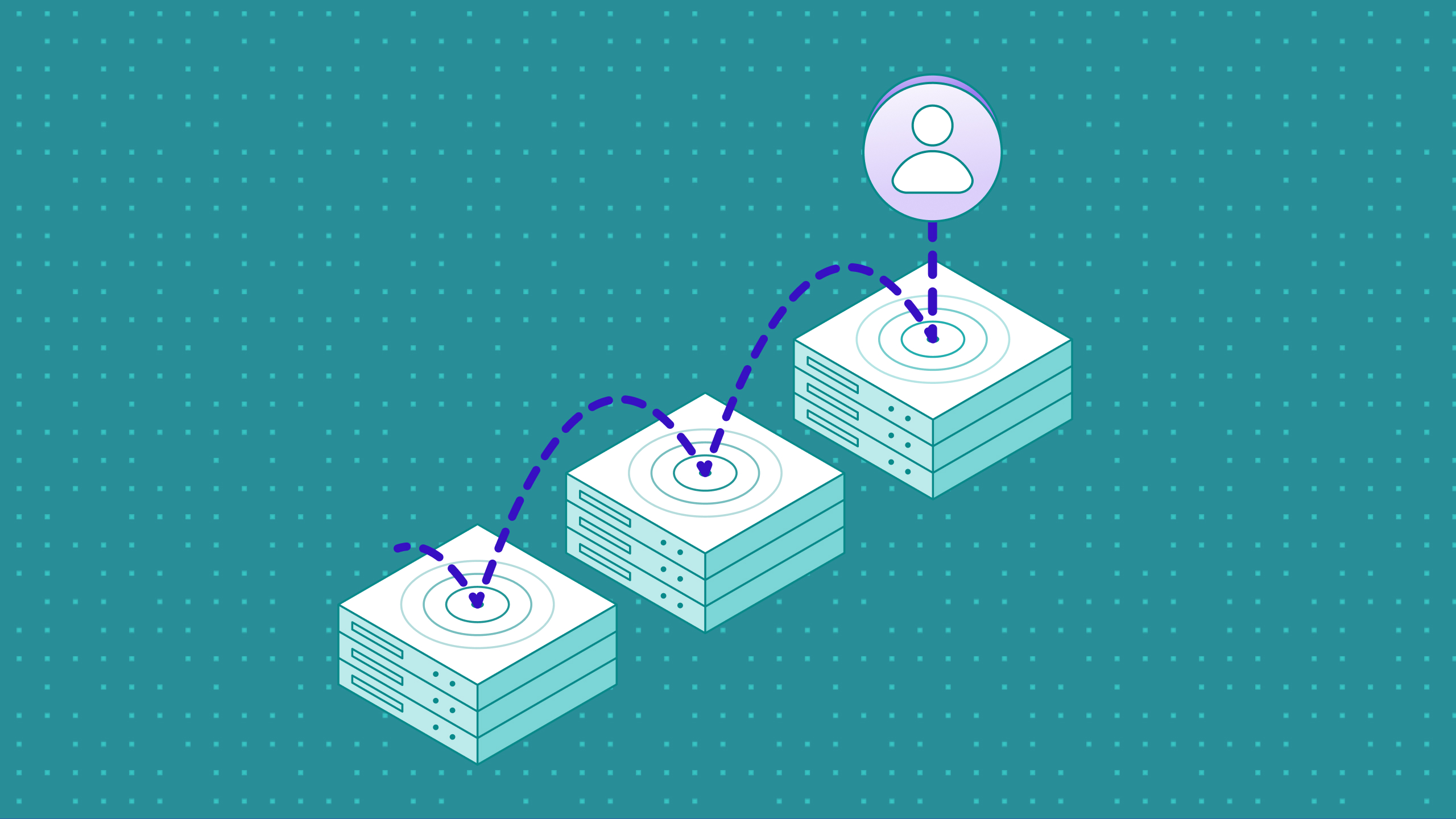
In every channel, content passes through the media owner’s infrastructure before an ad request goes out. Resolve identity there, and the same approach works on a web page, in an app, in a CTV stream, and in streaming audio. CTV and audio already handle much of this server-side, because ads are often stitched into the stream before it reaches the device. Server-side identity resolution brings web and app onto the same model.
Compare that with resolving identity on the device, where every distributor needs its own approach: a script for the web, an SDK for each mobile operating system, and something else again for CTV. Each one is its own integration to build and maintain, and each one has to be updated whenever its distributor changes course. The gaps between those integrations are where audience recognition drops off.
Consolidation raises the stakes. Every acquired property arrives with its own stack, its own channels, and its own integrations. Media owners that resolve identity at the serve can bring those properties onto one foundation instead of running parallel identity programs, and more consolidation is coming.
Optable Was Built Server-Side From Day One
Optable’s architecture has been server-side from the start. Optable provides the infrastructure as SaaS: edge services around the world that resolve identity close to your users. Each media owner gets its own first-party identity graph and decides which ID providers connect to it. No third-party ID provider needs its own script on your page or SDK in your app.
Optable connects wherever your stack does: web, iOS, and Android SDKs; Prebid Server; server-to-server connections; VAST and web proxies, ad server integrations including Publica and Triton; and CDN integrations at the edge. Whichever entry point you use, resolution happens server-side against your graph. Optable’s team builds each integration with you.
Distributors are going to continue changing their rules. Media owners who resolve identity on their own infrastructure can maintain a steady audience strategy.
Move identity resolution onto your own infrastructure. Talk to the Optable team to learn how.