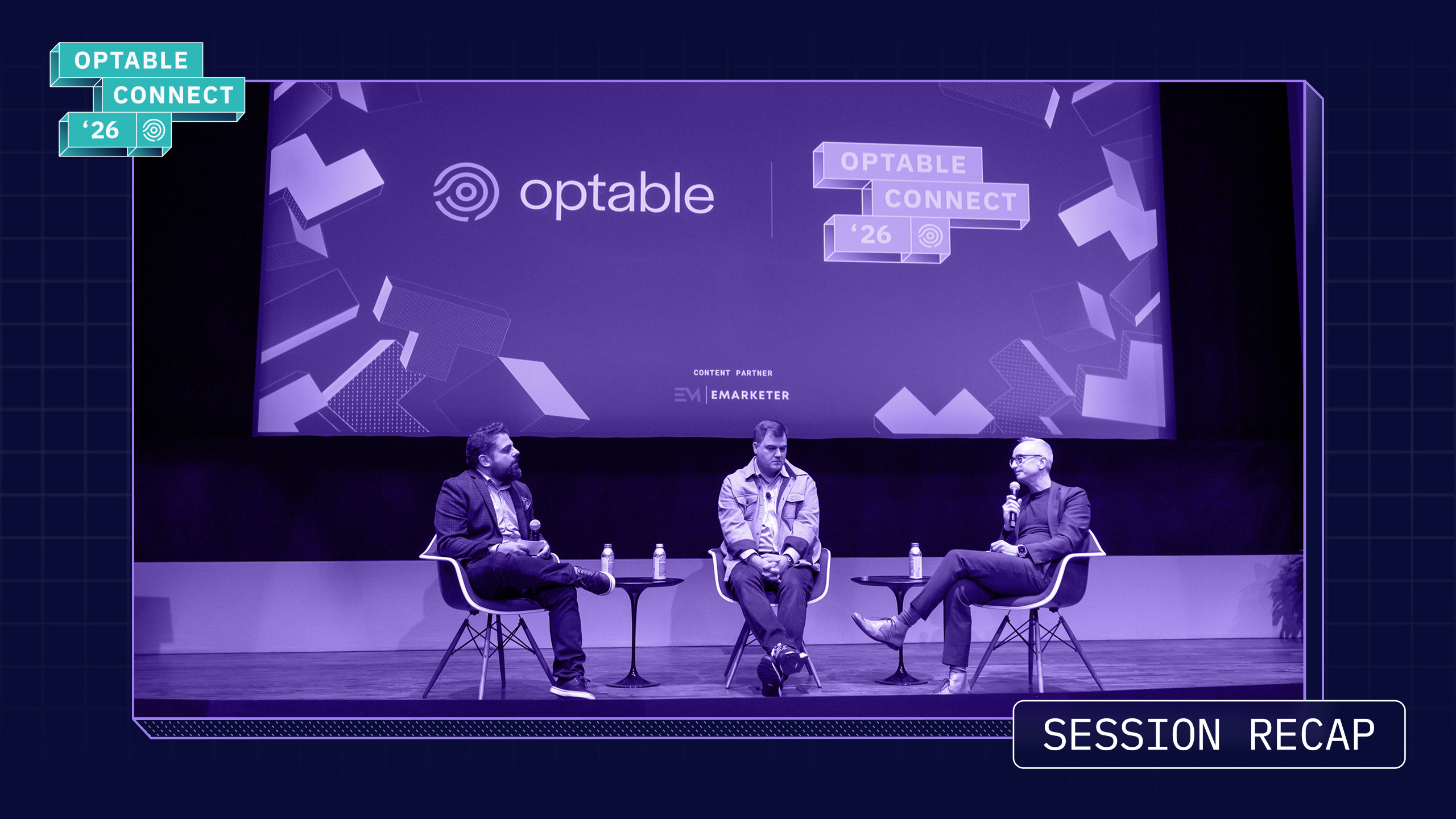
AI is already changing how media gets bought: ads are appearing inside chat interfaces, open-web traffic is shifting toward premium publishers, and buyers are starting to hand campaign work to software agents. This session brought an analyst's view to a day of practitioners, using EMARKETER's forecasts to size what's coming.
Yory opened with how AI advertising will benefit, and even create, walled gardens. As an extension of direct demand, agentic advertising can level the playing field for smaller players. Agents can also make programmatic itself work better, with richer signals, faster decisioning, and more transparency, and agents can negotiate time-sensitive and real-time inventory that's hard to sell today.
On standards, Yory contrasted two approaches. AAMP began as an evolutionary path by bringing agents into programmatic and media planning. AdCP began as a revolutionary approach, with a reimagined workflow across the whole ad stack. Because the two increasingly overlap, he argued, the bigger priority is interoperability, not which set of standards wins.
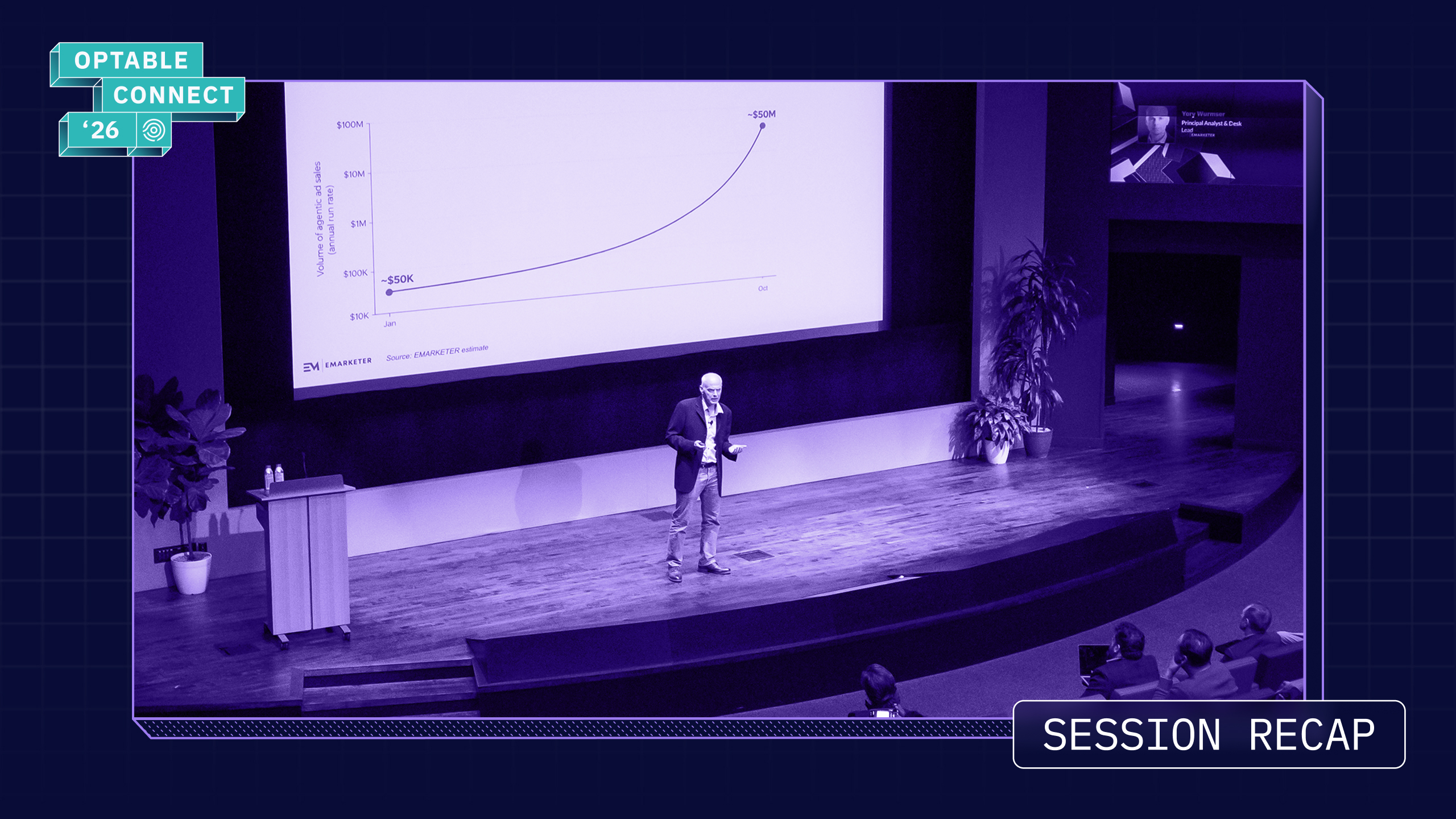
He projected a large increase in agentic ad spend by 2028, while noting that behavior changes slowly. His four steps to prepare: get specific about what you want from agentic in your goals and briefs, set clear governance rules, organize your data so agents can use it, and experiment.