Optable uses first party and third party cookies to enhance site navigation, analyze site usage, and assist in our marketing efforts and send you personalized advertising. You can accept all cookies by clicking the "Accept" button, reject all cookies by clicking the “Deny” button or configure their use by clicking "Preference". More information in the Users & Website Privacy Policy.

CODE
CODE
Hubspot Custom Styles
CODE
CODE
Hubspot Custom Styles
DMPs solved yesterday's problem. Optable was built for tomorrow's.

Publishers today need identity infrastructure that connects addressability, collaboration, activation, and agentic workflows. Talk to our experts about moving beyond the DMP.

Audience creation is no longer the whole job.

For a decade, your DMP did the job: collecting signals, packaging segments, selling them to buyers. Then cookies broke, walled gardens grew, and buyers started expecting more than a web audience.

Now the demands stack up faster than the old model can absorb. You're curating niche audiences across web, app, CTV, audio, and gaming, collaborating with partners without exposing raw data, and feeding AI-assisted workflows that run from planning through measurement. Your DMP was never built for any of that.

Audience management is not identity infrastructure

An audience tool asks a narrow question: who belongs in this segment? That is useful for packaging inventory, responding to RFPs, and activating data into a campaign. But it does not answer the broader questions that now determine whether a publisher can grow its data business.

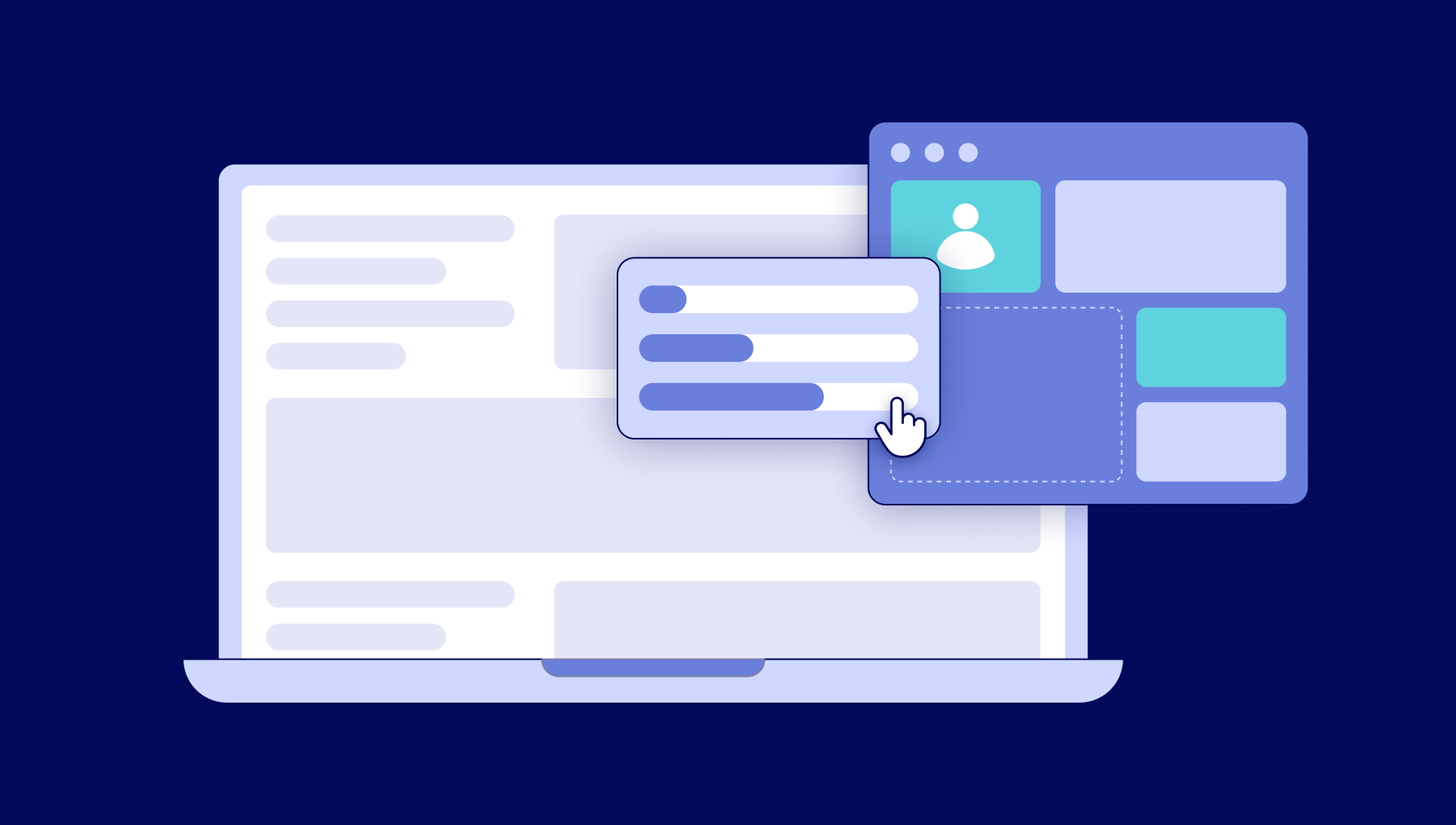
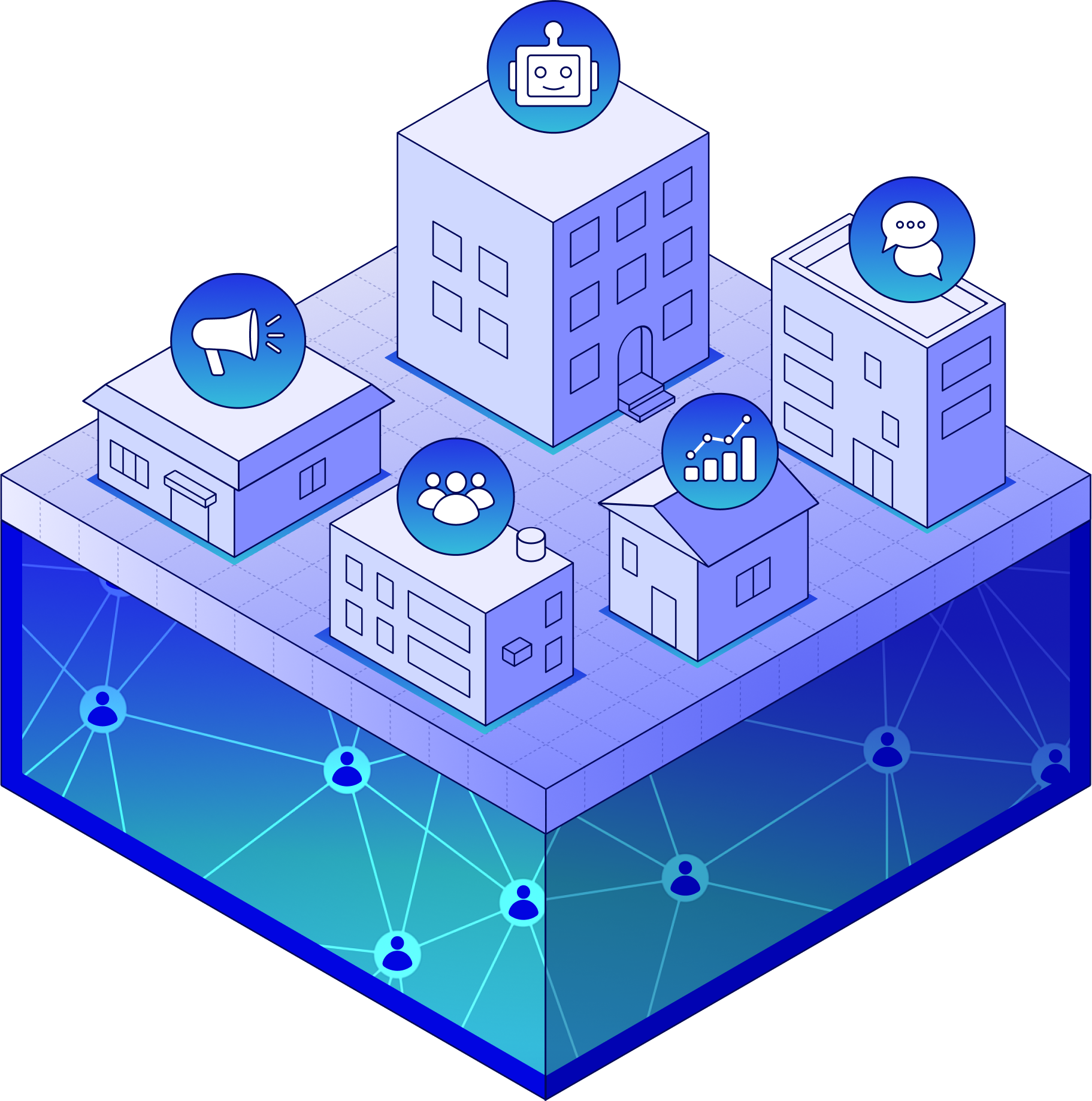
Once identity becomes the foundation, audience building becomes one application of the platform. The same identity layer can support signal enrichment, clean-room collaboration, omnichannel activation, contextual and behavioral composition, advertiser-specific proposals, and AI workflows.

That is the real shift. Publishers are not replacing DMPs because audience creation stopped mattering. They are moving beyond DMPs because audience creation is now only one part of the system.

Where DMPs start to show their age

The limits of the traditional DMP show up in everyday publisher operations. They are not abstract technical concerns. They affect RFP speed, match rates, channel coverage, partner collaboration, and the ability to adopt new workflows without rebuilding the stack.

Fixed workflows

Too narrow for custom advertiser briefs.

Channel gaps

Web strength does not carry every surface.

Waiting periods

Imported data should activate faster.

Limited collaboration

Clean rooms need a deeper identity base.

Closed AI

AI needs real data and open workflows.

Traditional DMP vs. Optable

Requirement
Traditional DMP
Core function
Traditional DMPAudience-first platform for building and activating segments
OptableIdentity-first platform for multiple monetization workflows
Identity model
Traditional DMPOften device-scoped or tied to a fixed user structure
OptableFlexible graph with configurable user, household, device, and custom scopes
Omnichannel coverage
Traditional DMPStrongest on web; other channels handled separately
OptableWeb, app, CTV, audio, gaming, and server-side from one foundation
Third-party data
Traditional DMPData marketplace access with CPM-based fees
OptableTurnkey enrichment from Optable for a flat fee, or bring your own licensed data
Signal enrichment
Traditional DMPNonexistent or limited support
OptableCore workflow for adding addressable signals into the bidstream
Clean rooms
Traditional DMPNonexistent or limited collaboration workflows
OptableActivation, insights, prospecting, augmentation, and contractless collaboration
AI workflow
Traditional DMPA closed assistant inside the vendor UI
OptableOpen agentic workflows via MCP and AdCP, connected to your entire universe of data
Strategic fit
Traditional DMPGood when the job is mainly audience management
OptableBetter when the job is identity-driven monetization infrastructure

Four workflows a DMP was never built for

Signal enrichment

Resolve identity in real time and add addressable signals to the bid request. This creates value before the impression reaches demand. Measurable, testable, tied to programmatic performance.

Clean-room collaboration

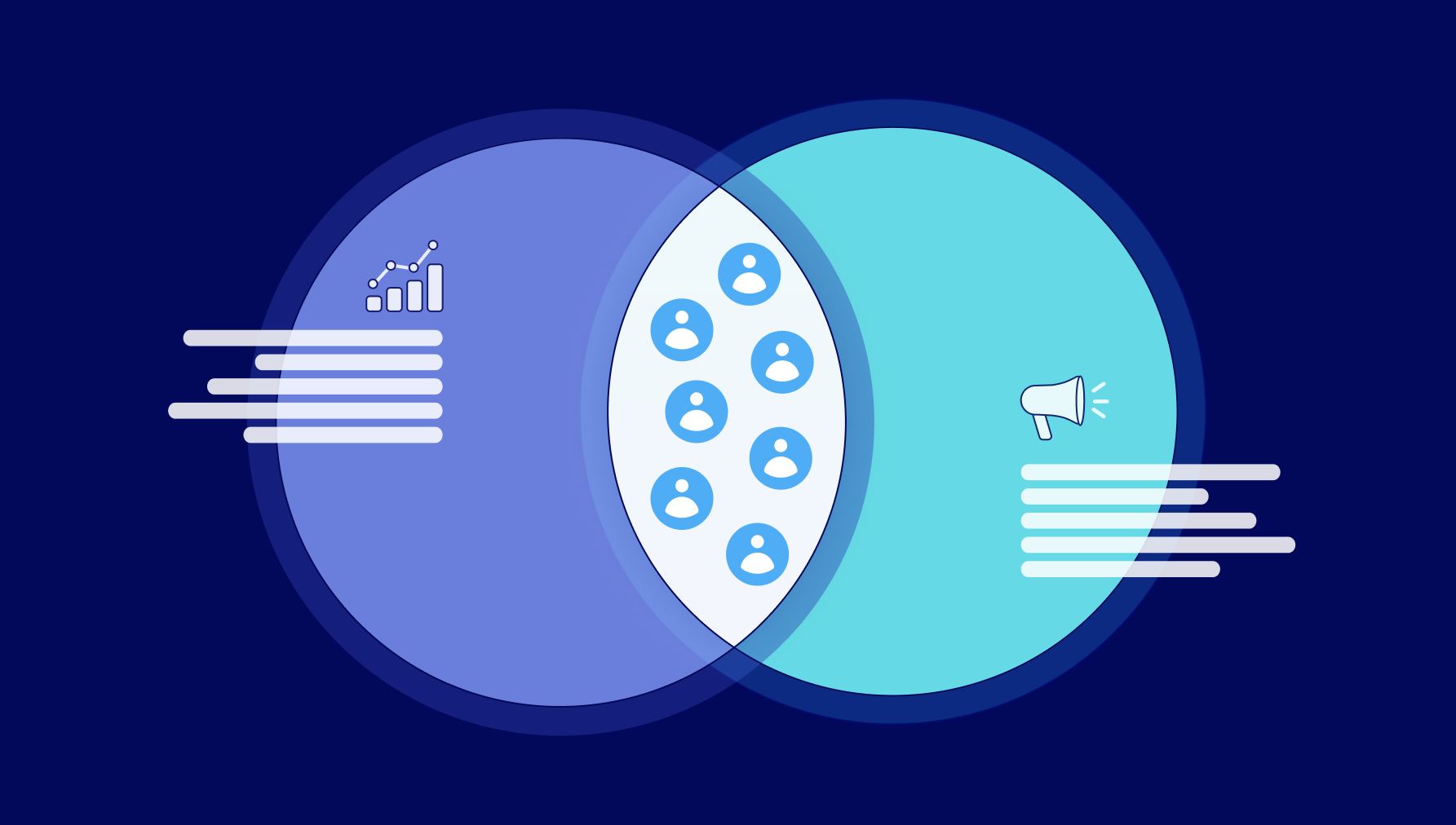
Activation, insights, prospecting, and measurement on the same identity graph, across clouds, partners, and identifiers, with governance that holds up under legal review.

Day-one activation

Connect a CRM file, partner data, or clean-room output and match it to your graph immediately. Launch campaigns with full reach instead of waiting for audiences to mature.

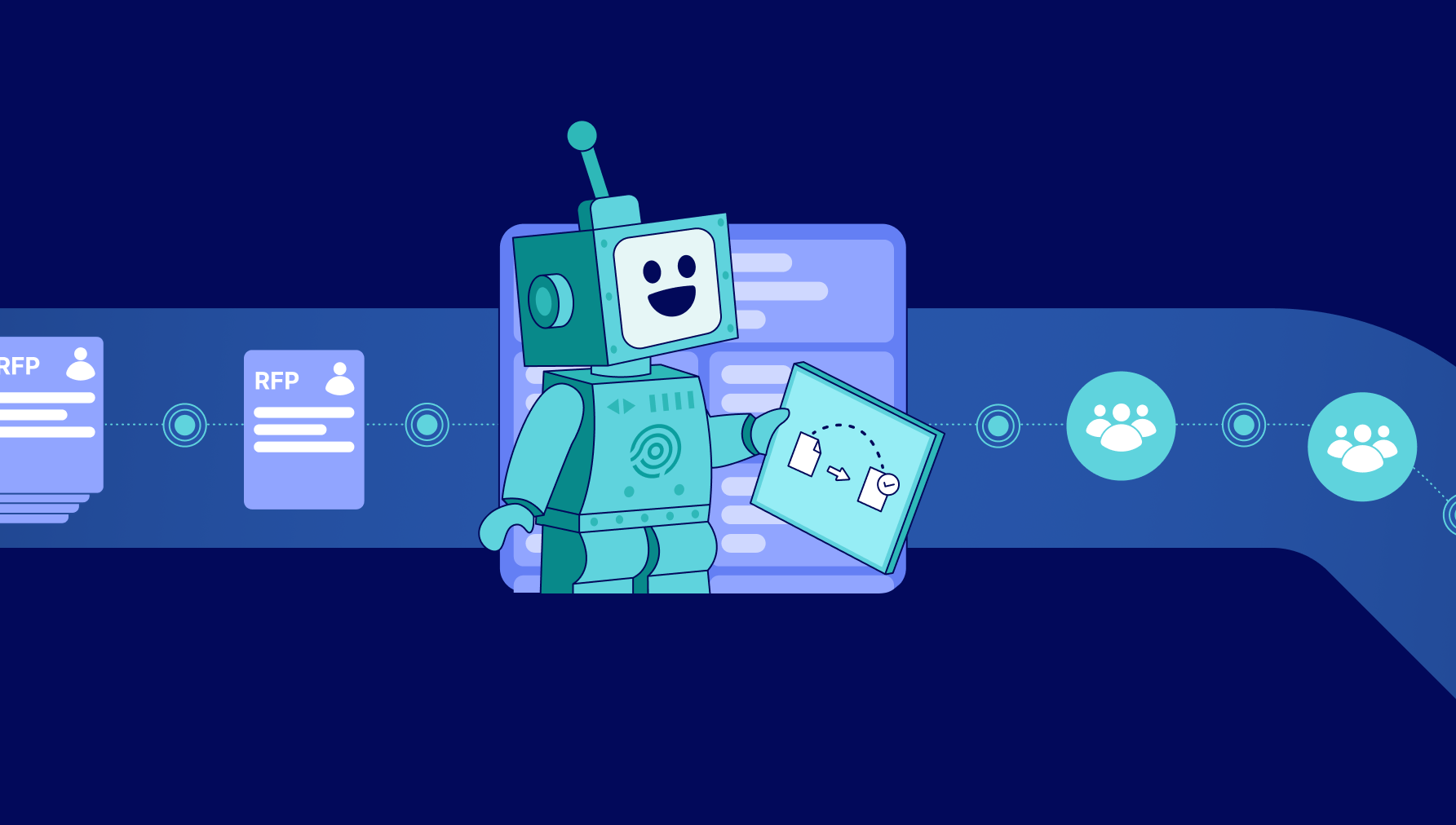
A robot representing Optable's Audience Agent, which helps Ad Ops teams respond to more RFPs faster with more unique audience proposals.

Agentic AI workflows

Give the AI tools your teams already use access to your taxonomy, traits, audiences, and destinations, so agents can find, build, price, and push audiences toward activation.

With Optable, identity powers it all

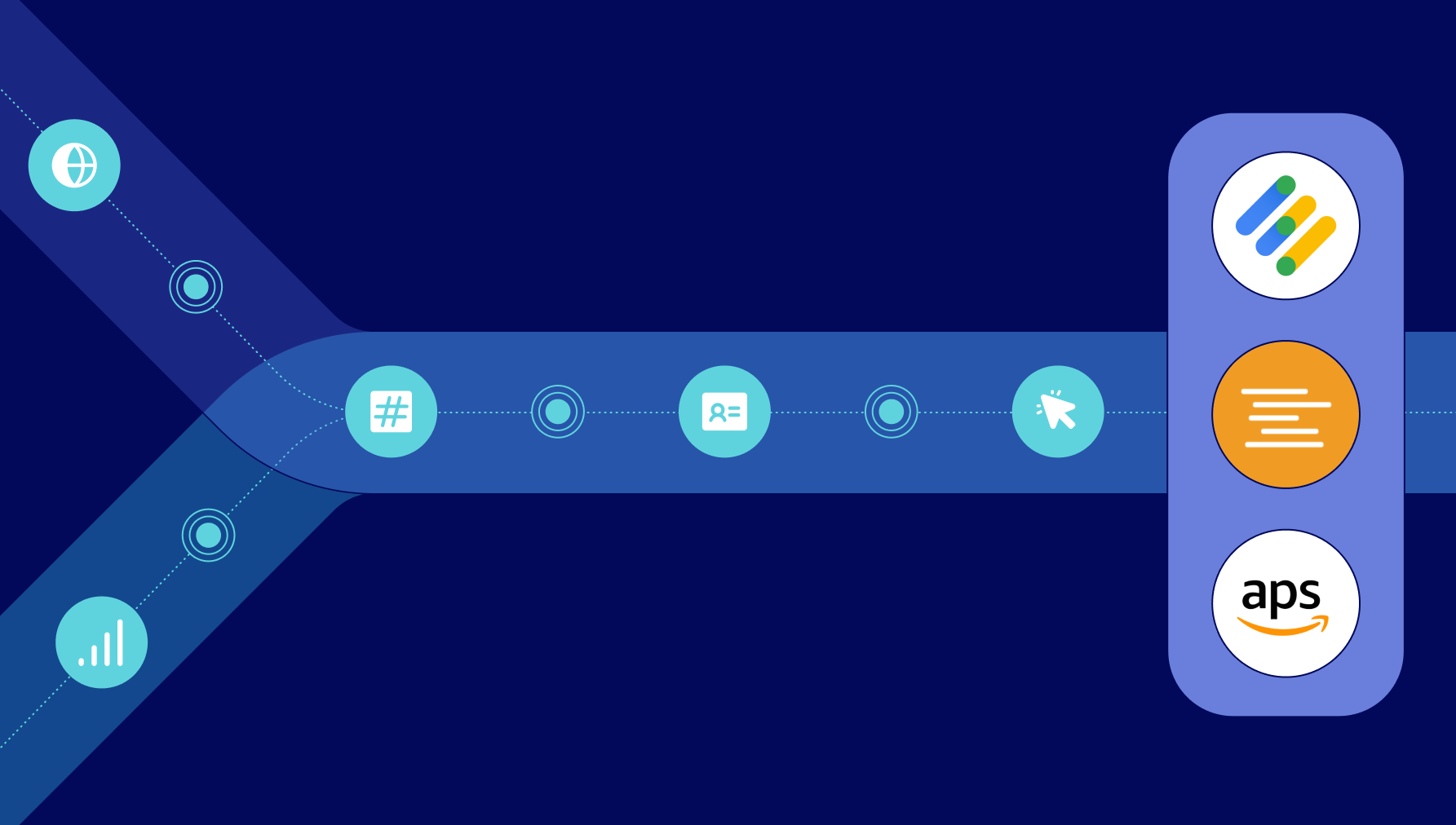
Identity resolution across web, app, CTV, audio, gaming, and beyond
Alternative ID support built into the platform
Day-one use of imported and connected data
Clean-room collaboration across multiple use cases
AI workflows connected to your real data and preferred tools
User, household, device, and custom identity scopes
Coverage for unauthenticated traffic
Signal enrichment as a measurable revenue workflow
Activation across servers, SSPs, DSPs, Prebid, and clouds
A commercial model that doesn't tax your growth

The next phase of publisher monetization will be built on identity infrastructure.

The DMP helped publishers monetize audience segments. Optable helps publishers monetize identity in the AI era, orchestrating audiences, enrichment, collaboration, activation, and agentic planning from a single platform.