Thank you to everyone who braved the winter storm to join us for Optable Connect in Toronto. While some of you were delayed or homebound due to weather, we’re so grateful for the amount of interest in our event and the future of AdTech.
Across the board, the theme of this year’s event is transformative: AI is here to stay, and the age of agentic advertising is already upon us.
We learned through live demos, active panel discussions, and a fireside chat that the industry continues to adapt alongside new and emerging technologies — and the companies evolving with agent-ready data, AI-powered strategies, and a collaborative mindset are the ones most likely to succeed.
For now, we’re sharing the highlights, key concepts, and action items from Optable Connect 2026 to empower your teams and activate your data.
The Big Picture: Agentic Infrastructure + AI Readiness
Optable’s CEO, Vlad Stesin, opened by honing in on the ongoing disruption and transformation of the media landscape. He discussed how, as AI evolves, challenges like privacy and fragmentation across tools and data become more apparent.
While AI presents new obstacles for publishers, platforms, advertisers, and agencies to overcome, it also poses unique opportunities for collaboration. To make the most of the agentic, AI-powered era we’re entering, media buyers and sellers can work together to activate engaged audiences outside of walled gardens, creating a future of targeted, data-driven advertising.
We welcomed representatives from all parts of the ecosystem to share their thoughts and learn from one another. Over the course of the day, we heard new perspectives and actionable insights for the agentic advertising era that publishers, advertisers, agencies, and media companies need to know.
If you missed out on the live event, you’re in the right place. We’ll walk through the highlights from every session and tie it all together at the end.
1. From RFP to Activation: A Deep Dive into Agentic Advertising with Live Demo
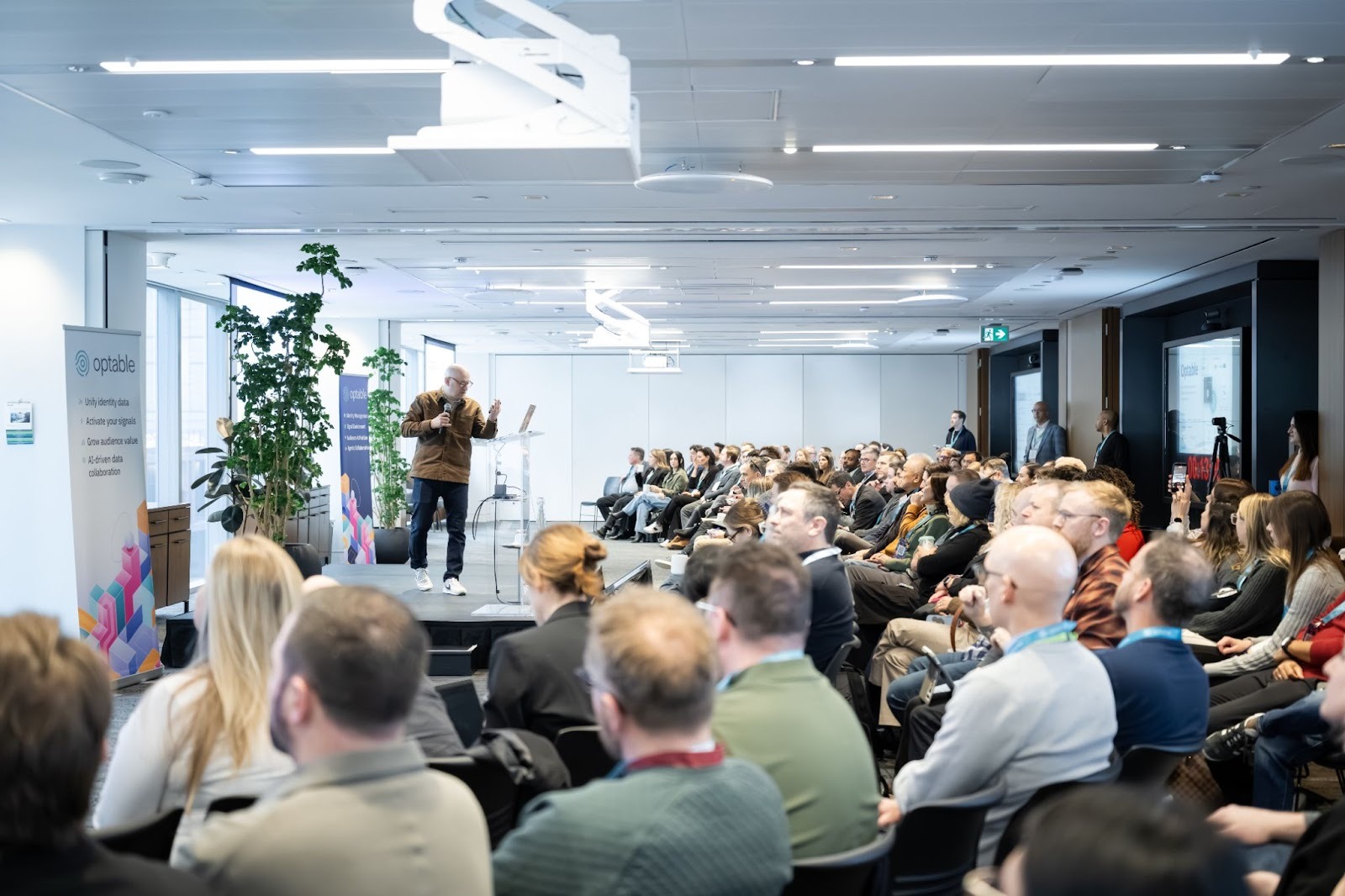
To kick things off, Bosko Milekic, Co-Founder & CPO of Optable, helped us get familiar with the growing applications of agentic AI in audience planning as the demand for PMP increases.
He discussed how manually planning campaigns is slow, fragmented, and tedious. With varied or incomplete publisher data, a lengthy proposal process, and the risk of user error, responding to an RFP the old-fashioned way takes too much time for inconsistent results.
But that all stands to change when you integrate AI agents into your workflow.
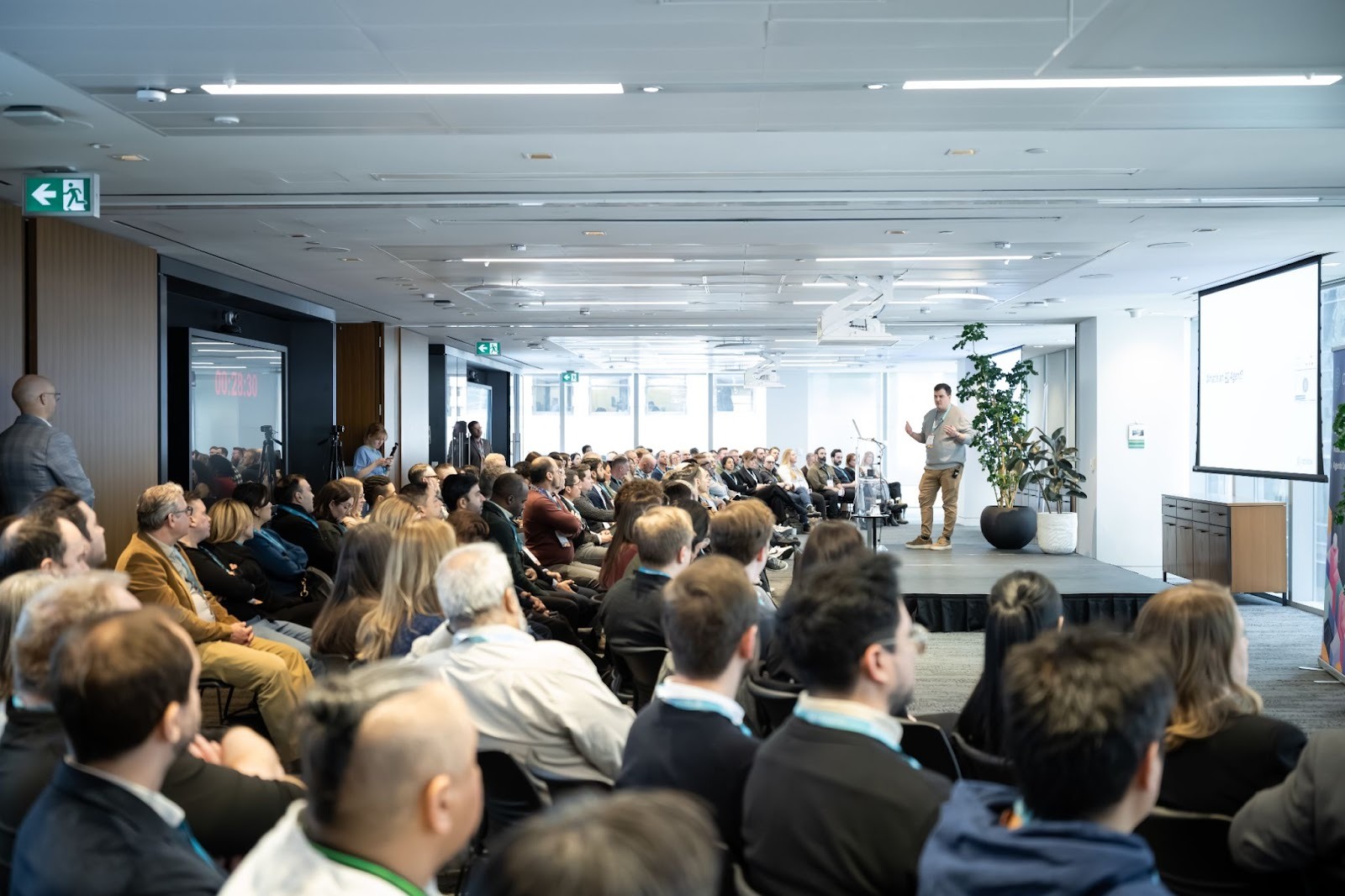
Bosko reintroduced us to Optable’s Audience Agent, previously named the Planner Agent — an agentic tool built to sift through your structured data, uncover new audiences, and simplify the proposal process so you can activate audiences faster and more effectively. With a quick demo, Bosko showed how quick and easy it is to prompt the agent, generate relevant insights, and draft an RPF response using the data in the Optable platform.
He brought his presentation home by debuting Optable’s Sales Agent (in beta) and offering a bold proposition: a future of agent-to-agent (A2A) collaboration between publishers and advertisers. Optable is working towards facilitating an agentic marketplace, automating the media selling process while enriching audience data for more optimized revenue generation.
2. Agentic Advertising Perspectives: How Can Agentic Build On and Enhance Our Existing Infrastructure?
Moderator: Vlad Stesin (Optable)
Speakers: Pierre-Luc Hardy (Triton Digital), Sonia Carreno (IAB Canada), Alex Gardner (Index Exchange), Scott Menzer (Unity)
This discussion dove into the applications of agentic AI in programmatic advertising, expanding on themes of:
- Industry alignment: It’s not enough for AI to keep advancing. The industry needs to collaborate and agree on AI standards and practices to improve results, preserve data privacy, and maintain transparency.
- Interoperability before automation: Agent-ready data and infrastructure need to come first to ensure a smooth transition to agentic use applications and, ultimately, agent-to-agent transactions.
- Human oversight: There are clear benefits to automating workflows, but at the end of the day, human buyers have the experience and expertise to know best.
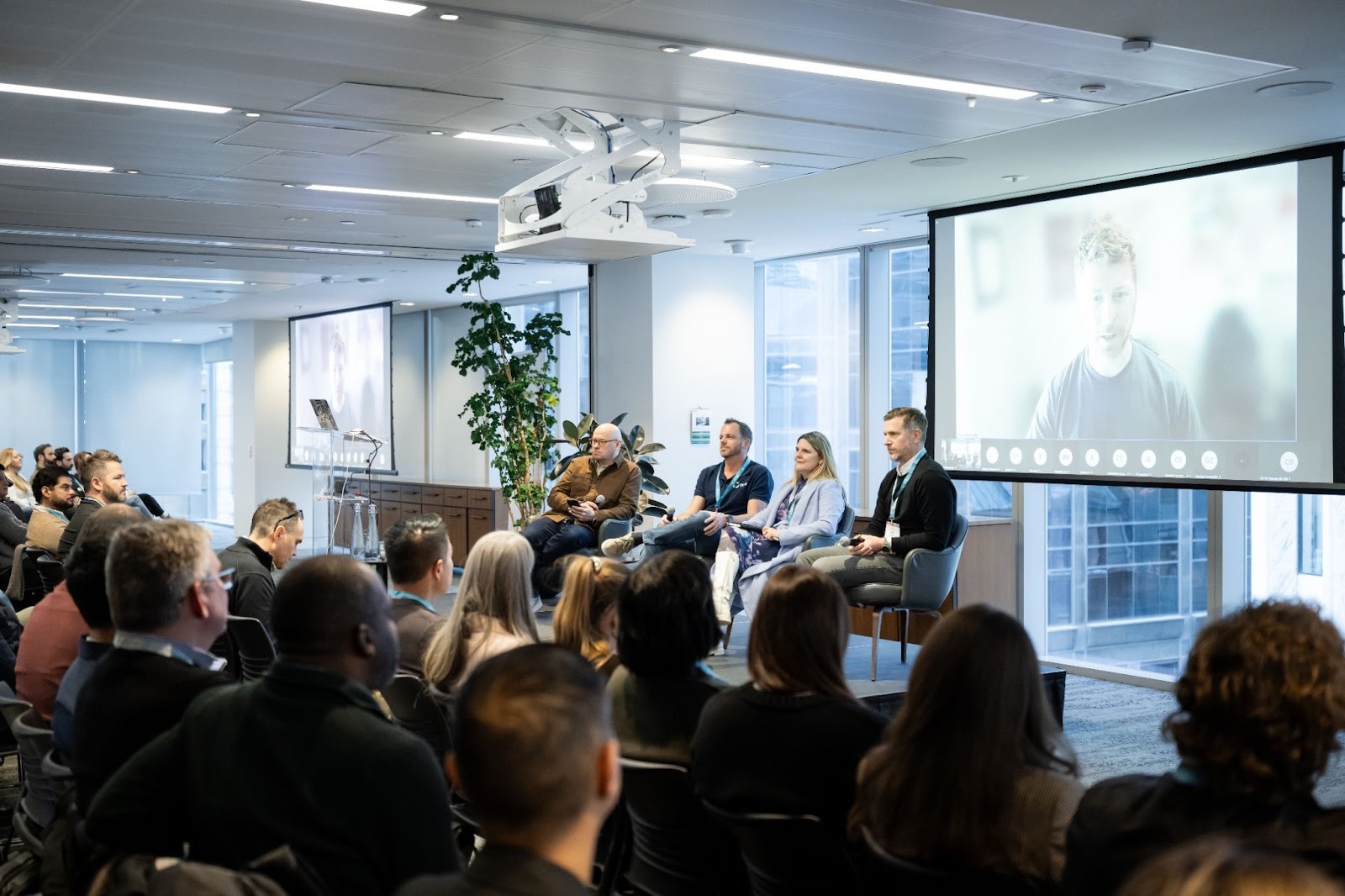
3. Signals + AI = Intelligence: How Publishers Are Updating Their Audience Strategy in the Age of AI
Moderator: Patrick Viau (Optable)
Speakers: Geoffrey Bernard (LaPresse), Julie Kerr (CBC), David Lundell (Hearst), Scott Bender (Newton Research)
Our guests put AI in context for publishers on the front lines, exploring what it actually takes to compete in an AI-driven advertising world. Themes included:
- Foundation before automation: AI-readiness requires a clear data infrastructure, solid identity strategy, and clean first-party signals. Publishers without that foundation will struggle to make the most of AI tools.
- Competing with walled gardens: Publishers with AI-ready data can continue offering advertisers trust and transparency and provide advanced targeting and measurement to better rival the appeal of walled gardens.
- People alongside data: Empowering revenue and operations teams with the right AI tools before implementing new technology is what drives real impact.
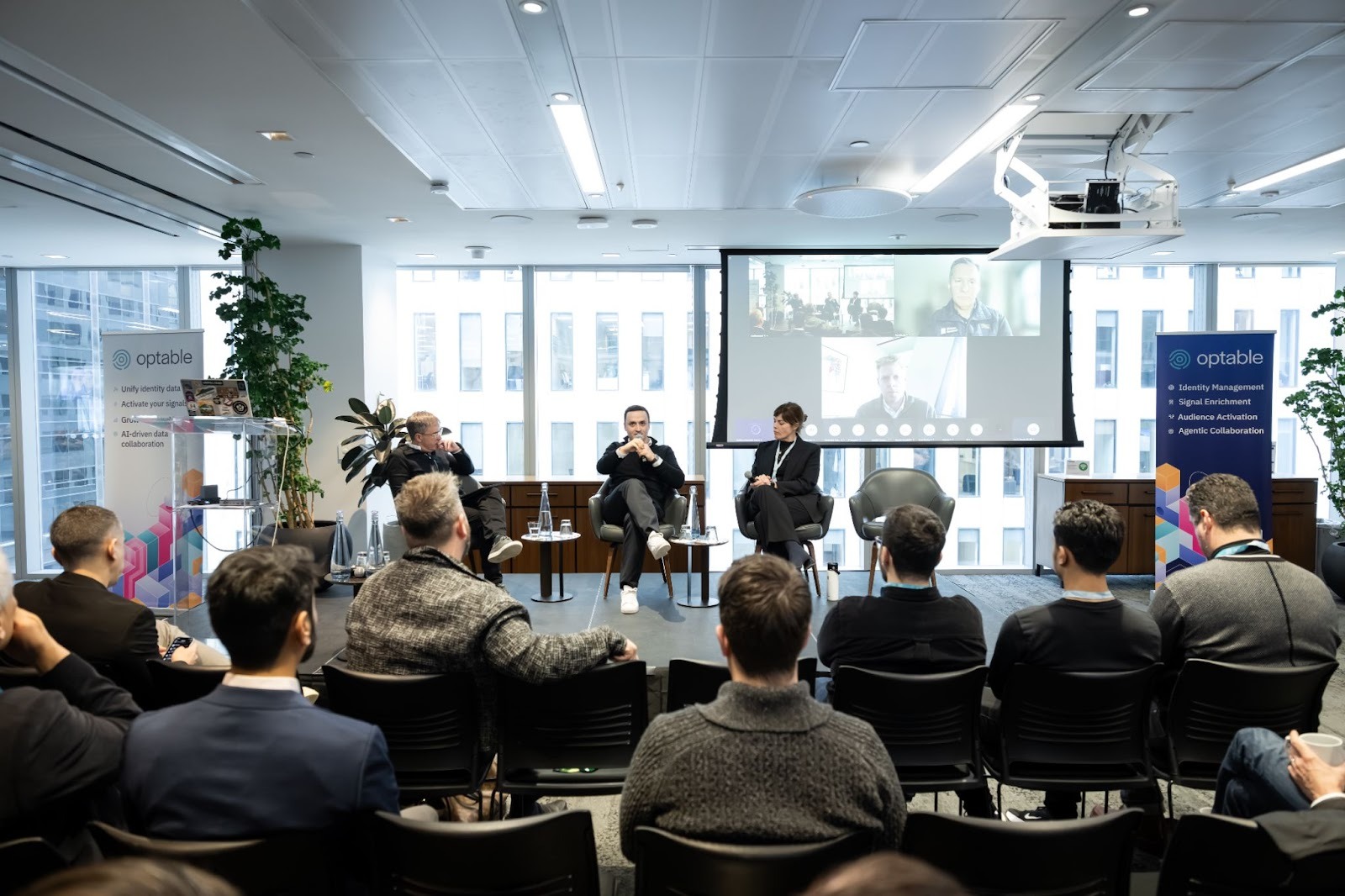
4. Fireside Chat: The Importance of Data in the AI Age
Host: Vlad Stesin (Optable)
Guest: Benjamin Webb (Above Data)
In this interlude, Vlad and Ben started by soft-launching a partnership between Optable and Above Data. They spent their conversation emphasizing what it means to have AI-ready data and what publishers and platforms need to prioritize before adopting agentic AI. They covered:
- Advertiser appeal: With agentic AI, publishers can enrich their first-party data and deal directly with advertisers, offering an attractive alternative to saturated walled gardens.
- Data preparedness: AI-ready data needs to be structured, enriched, standardized, and queryable by agents. Data that doesn’t meet these criteria will only impede performance.
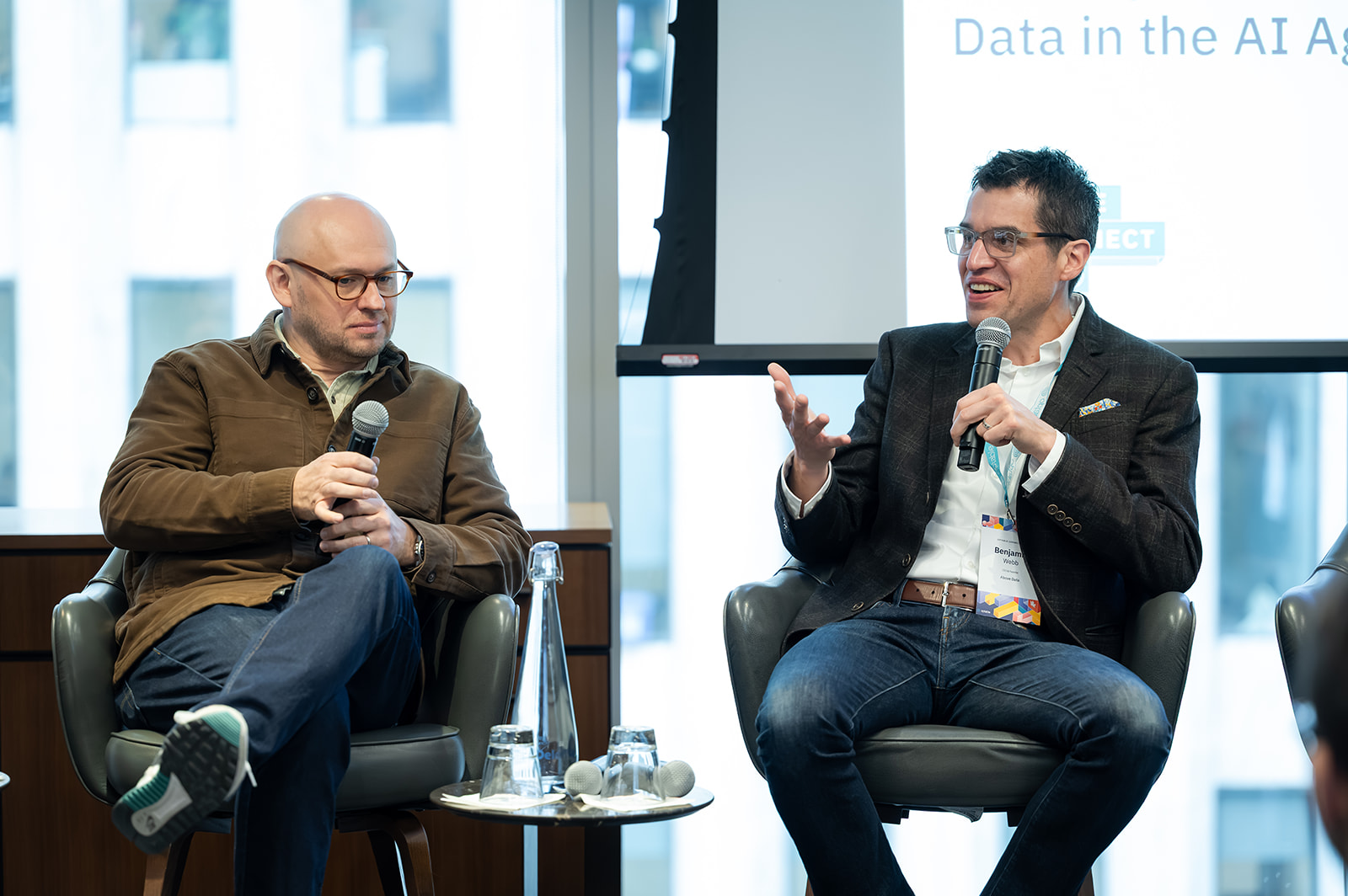
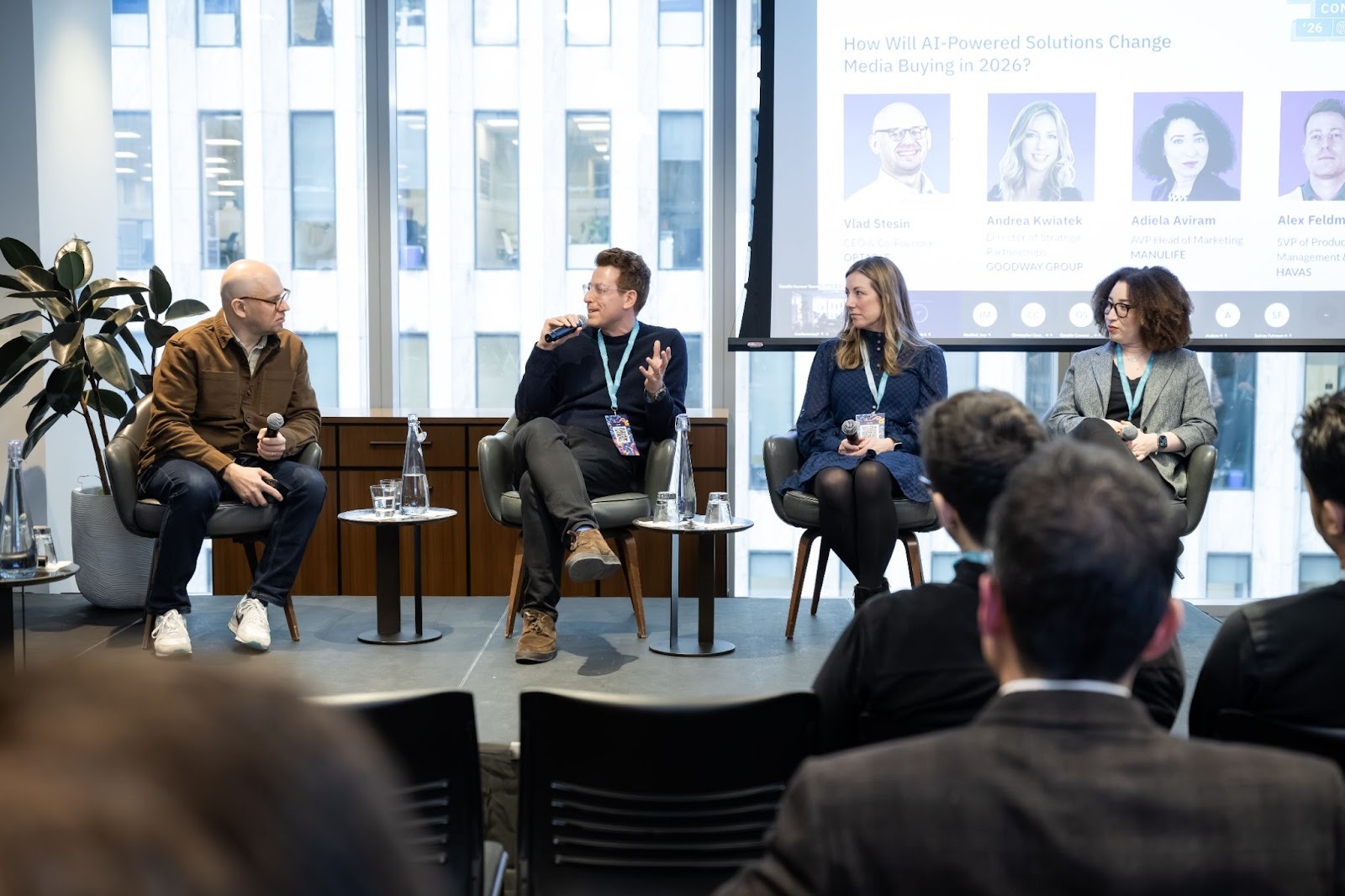
5. How Will AI-Powered Solutions Change Media Buying in 2026?
Moderator: Vlad Stesin (Optable)
Speakers: Alex Feldman (Havas), Andrea Kwiatek (Goodway Group), Adiela Aviram (Manulife)
The final panel of the day brought a candid demand-side perspective covering where agencies and advertisers are in their AI journeys and what it will take to move forward with confidence and profitable results. They covered themes like:
- Urgent standardization gap: Publishers and platforms need to agree on AI standards for the tools to work efficiently and effectively across the entire ecosystem. The production of disparate tools creates fragmentation before the industry can develop frameworks.
- AI needs human oversight: Human expertise should continue informing and reviewing AI workflows. Automating everything with no oversight will create new problems.
- Garbage in, garbage out: Data quality directly impacts results. Panelists agreed that partners need to be upfront about their data limitations or polish their data beforehand.
Key Takeaways
Throughout the day, recurring themes emerged, allowing us to pinpoint what is top of mind for industry experts:
- Agentic advertising is already here: It’s not an upcoming trend. Agencies are using AI agents to plan, execute, and iterate on campaigns. Publishers are adopting agentic AI for identity management and audience creation.
- Your data needs to be AI-ready: Structured, enriched, and organized data is essential for agentic AI to perform accurately and efficiently. AI readiness is a prerequisite if you want to take advantage of agentic workflows.
- Standards and interoperability aren't optional: Multiple AI frameworks are emerging, and the industry needs to align on how they work together to mitigate fragmentation.
- Human oversight is essential: Publishers and advertisers know best; while agentic AI can speed up timelines and make use of existing data, the AI can inadvertently cause other issues. Monitoring AI output should continue for quality assurance.
- You can compete with walled gardens: Major platforms like Meta and Google are oversaturated. Agentic opportunities could allow AI-ready publishers to gain a critical advantage with unique first-party data, engaged audiences, and streamlined sales.
What’s Next
The foundation for agentic advertising needs to be built now, not later.
For the industry at large, the urgency centers around agreeing on standards like AdCP and IAB Tech Lab's Agentic Roadmap, and the window to get ahead of fragmentation is getting smaller. For organizations ready to move forward, it’s time to audit your data readiness, identify use cases to test, and put structures in place so you can scale confidently.
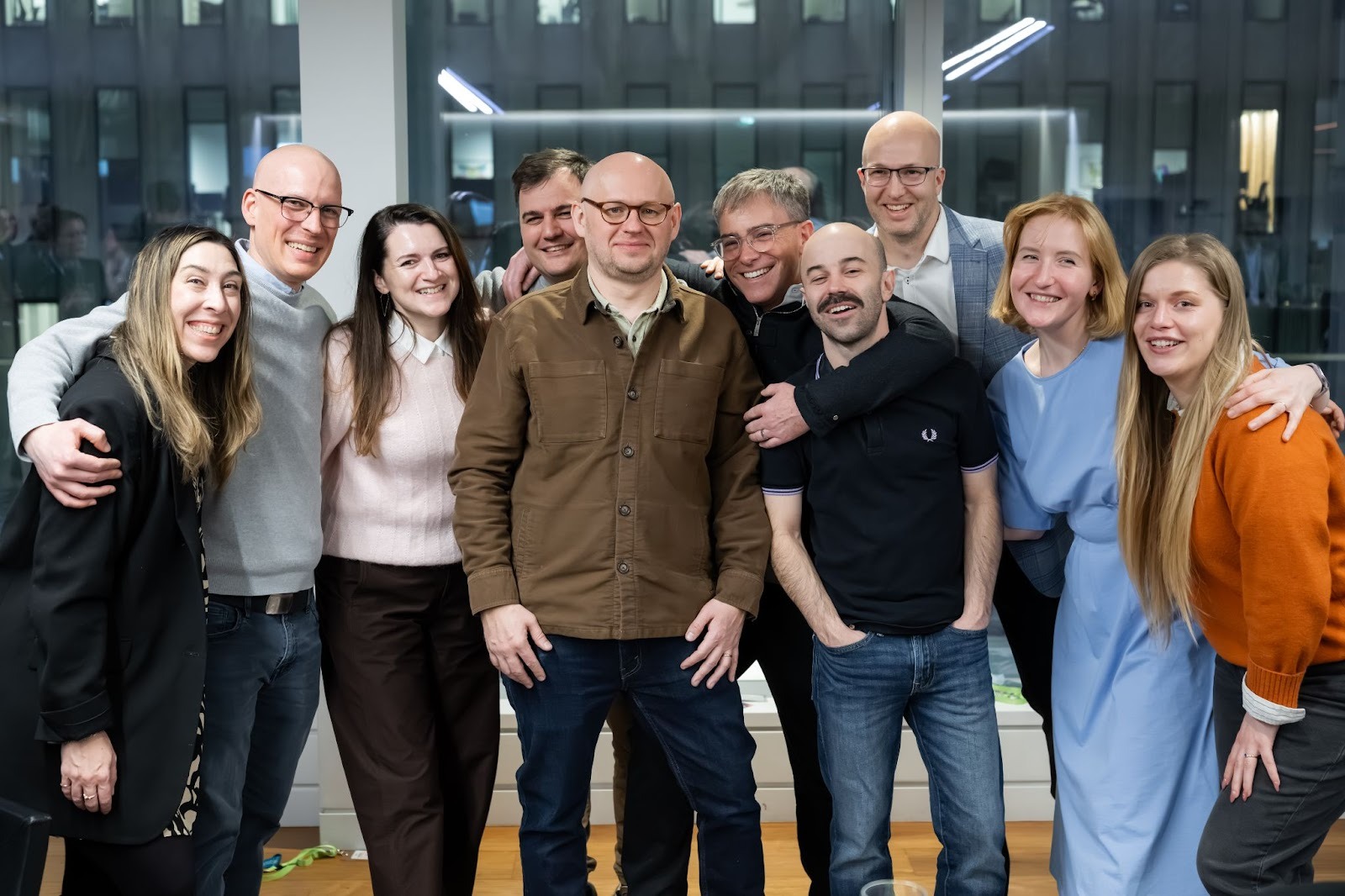
As for the Optable team, we’re here to help publishers and their partners succeed in the agentic era by making data, AI, and standards work together in practice so they can monetize more effectively with the tools — and data — at their disposal.
- We'll continue investing in the data infrastructure and identity foundations that make agentic advertising possible.
- We'll keep building toward agent-to-agent collaboration and seamless cross-system buying workflows by building upon the Audience Agent's ability to surface audiences and draft proposals.
If you joined us in Toronto, thank you for the enthusiasm and candid discussions. If you couldn't make it, we hope this recap gets you up to speed — and we'd love to keep the conversation going at our event in New York City later this year.